We kill cancer
from the inside out.
A drug that turns the radiation you're already getting into a second attack on cancer, for every patient on radiotherapy. RadioLite is developing RadioPDT — a breakthrough nanoparticle that amplifies the effectiveness of radiation therapy, adding a second cancer-killing mechanism in synergy with the radiation a patient is already receiving.


We finish what radiation starts.
RadioLite's proprietary nanoparticle platform is designed to amplify the therapeutic effect of radiotherapy while sparing healthy tissue. Our PEG-PLGA nanospheres remain inert until activated by clinical radiation, generating highly reactive singlet oxygen free radicals locally within the tumor. Delivered on the linear accelerators clinics already own.
Precision Activation
Nanoparticles are harmless until precisely activated by targeted radiotherapy beams. No off-target toxicity, no systemic side effects. The therapeutic effect is generated locally, at the tumor site, through singlet oxygen free radicals.
Lower Systemic Toxicity
Unlike chemotherapy, our platform doesn't circulate active drugs through the bloodstream. The nanoparticles accumulate in the tumor via the enhanced permeability and retention (EPR) effect, then activate only during radiotherapy — with minimal toxicity to normal cell lines when inactive.
Compatible with Standard Care
Works with existing radiotherapy infrastructure. No new equipment, no new clinical workflows — just better outcomes from the same treatment. Integrates seamlessly with current fractionated radiotherapy protocols and complements existing chemoradiation.
How RadioPDT works
Inert in the body. Lethal in the beam. Three components, each with one job. Radiation in. Light out. Oxygen turns toxic. The cell dies from the inside.
Intravenous Delivery
Biocompatible PEG-PLGA nanospheres (~100 nm) are administered intravenously. They circulate harmlessly and accumulate in the tumor microenvironment via the enhanced permeability and retention (EPR) effect, peaking at 24 hours in preclinical biodistribution studies.
Radiation Activation
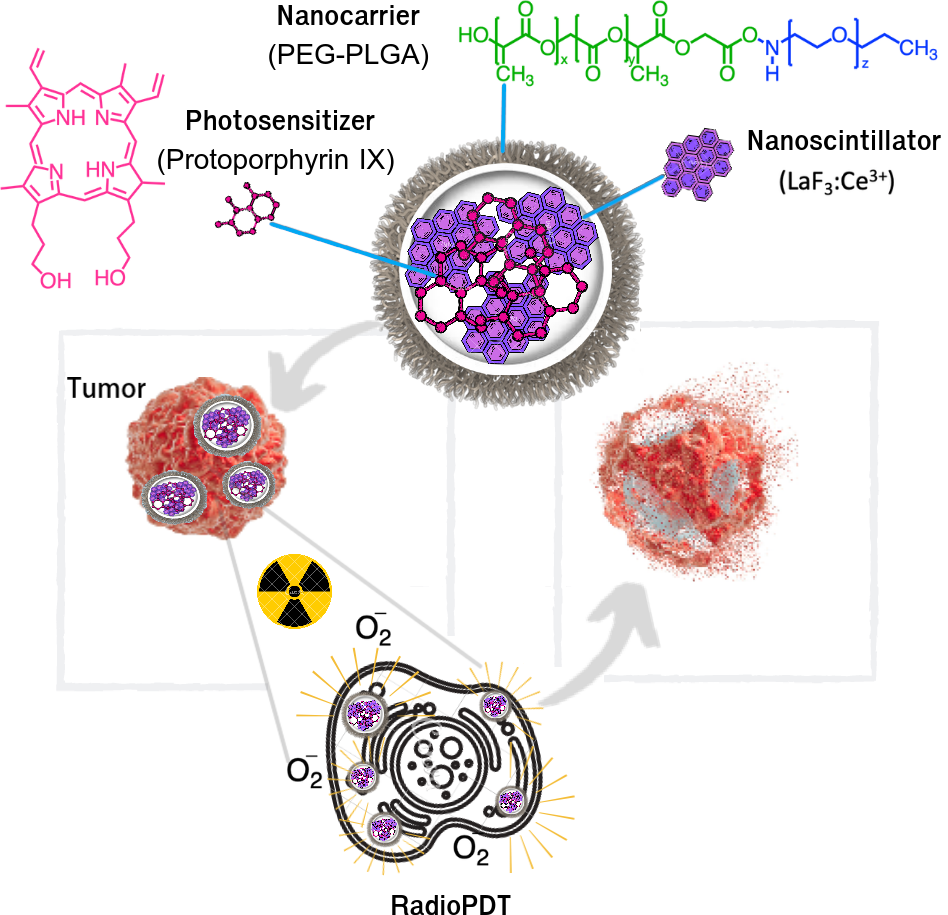
During standard radiotherapy, ionizing radiation interacts with our LaF3:Ce3+ nanoscintillator core, generating luminescence. This energy is harvested via FRET to activate Protoporphyrin IX (PPIX) photosensitizers — producing toxic singlet oxygen free radicals.
Selective Cancer Cell Death
The activated photosensitizers generate highly reactive oxygen species (primarily 1O2) that destroy tumor DNA and disrupt membranes. The dual specificity of nanoparticle biochemical selectivity and radiotherapy spatial selectivity leads to a synergistic, targeted cancer-killing mechanism.
Radiation has one trick. The toughest cancers learned it.
Half of all cancer patients need radiotherapy. For most of them it is the best medicine has, and it is capped by what a human body can survive. Every one of them runs into the same ceiling.
Key publications
Peer-reviewed research establishing the scientific foundation of the RadioPDT platform.
Scintillating Nanoparticles as Energy Mediators for Enhanced Photodynamic Therapy
Using Nanoparticles to Enable Simultaneous Radiation and Photodynamic Therapies
The Use of Nanomaterials in Advancing Photodynamic Therapy for Deep-Seated Tumors
Cascade Reaction-Driven Biomimetic Scintillant/MOFs for X-Ray Triggered Combinational Therapy Against Glioma
Latest updates
Progress toward the clinic and the market.
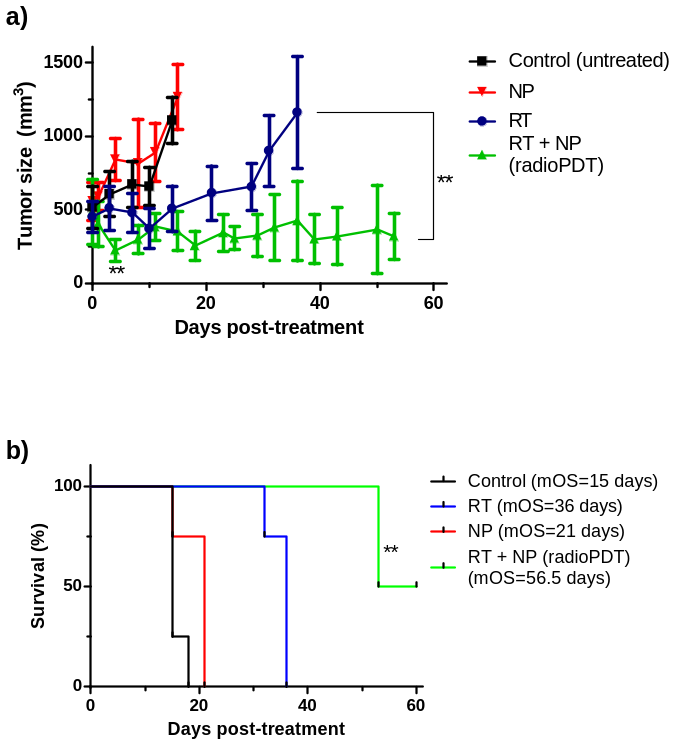
New preclinical data demonstrates tumor growth stop in GBM models
Results show significant improvement in survival when RadioPDT nanoparticles are combined with standard fractionated radiotherapy — stopping tumor growth where radiation alone cannot.
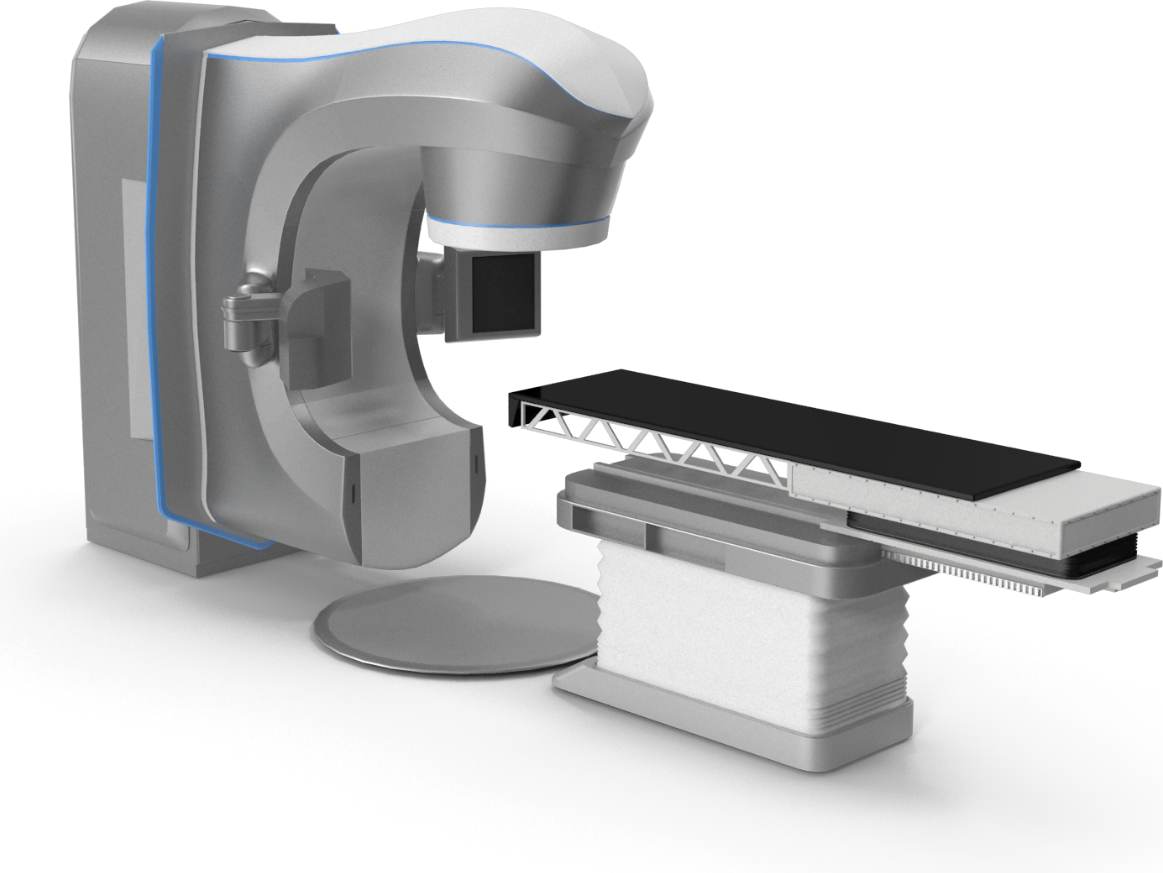
Presented at ASTRO Annual Meeting — invited oral session
Dr. Deepak Dinakaran presented the latest translational data to a standing-room-only audience at the premier radiation oncology conference.
Expanded IP portfolio with new composition-of-matter claims
Additional patent filings strengthen the company's position in radiation-activated nanoparticle therapeutics for solid tumors — now 4 patent families with 2018 priority date.